



What we do
Heat Pumps
The heating and cooling technology of the years ahead. For homes and commercial buildings, high-efficiency heat pumps that cover heating, cooling and domestic hot water in one system.
These systems optimise consumption and keep the building comfortable and sustainable all year. Paired with a solar plant, energy costs fall further and independence grows.
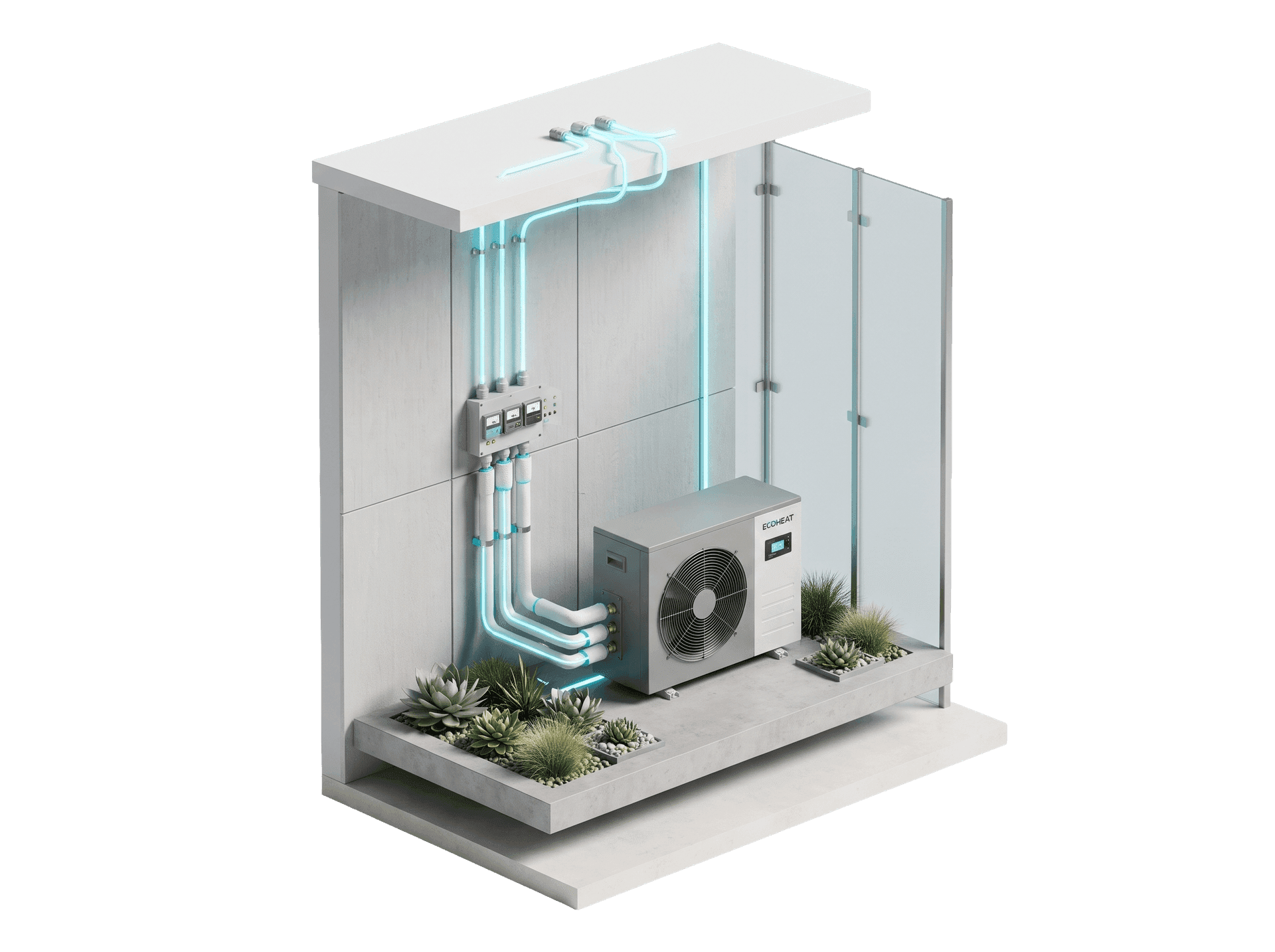
What is a heat pump?
A heat pump is a high-efficiency climate system that provides heating, cooling and domestic hot water by drawing on the natural heat held in air, water or the ground. Rather than generating energy it transfers what is already there, giving high performance from low consumption. It suits everything from homes to commercial buildings, and it is built to last.
How does it work?
A heat pump uses the natural heat around it to warm the building in winter, and reverses its cycle in summer to cool. Most of the energy it needs comes from nature and the rest from electricity, so one system delivers efficiency, comfort and low running costs together.
What you can count on
Engineering and design support
A survey, an analysis and a system design for every project.
Certified installation and commissioning
Work carried out to standard by specialist teams.
After-sales technical support
Maintenance and technical service once the system is running.
PV integration expertise
Heat pump and solar managed from one place.
Heat pump types
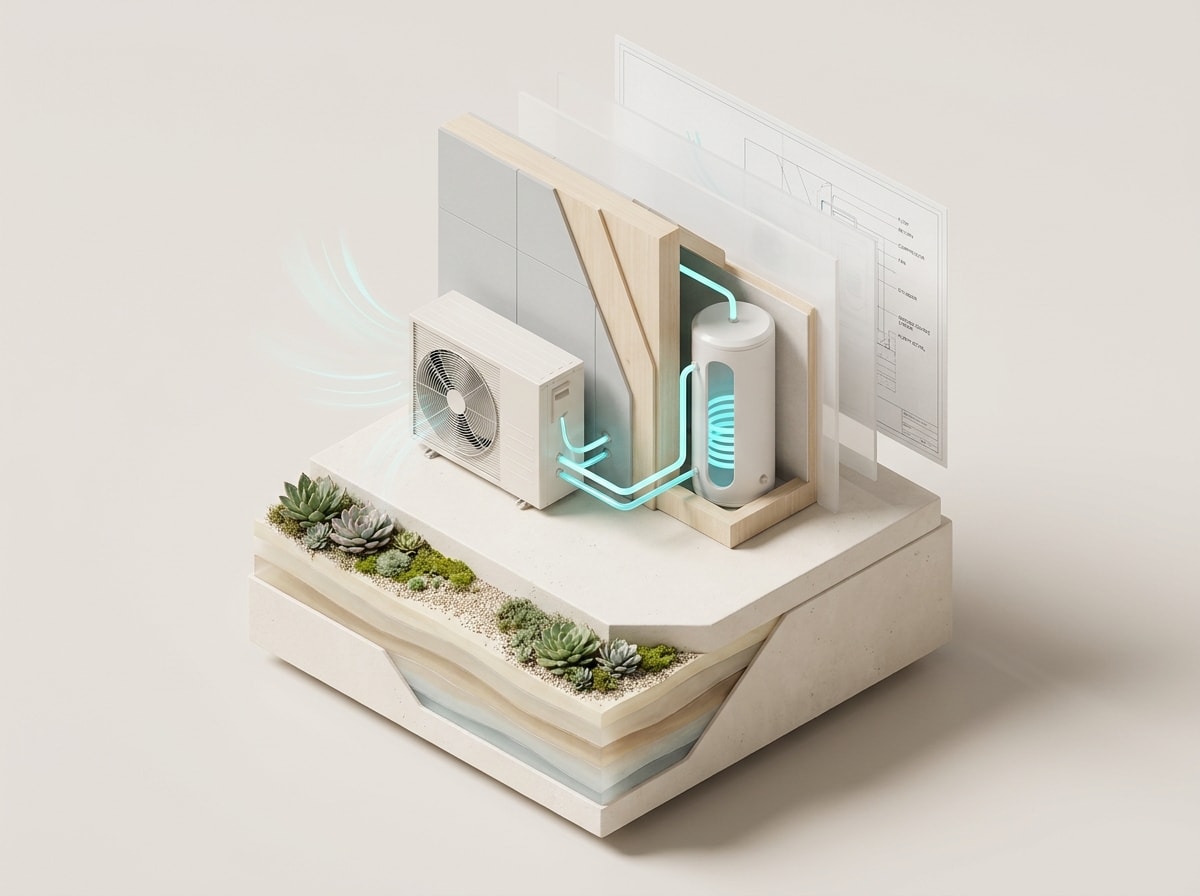
Air-Source Heat Pump
Uses the energy in outdoor air for heating, cooling and hot water. The most popular choice for homes and commercial buildings.
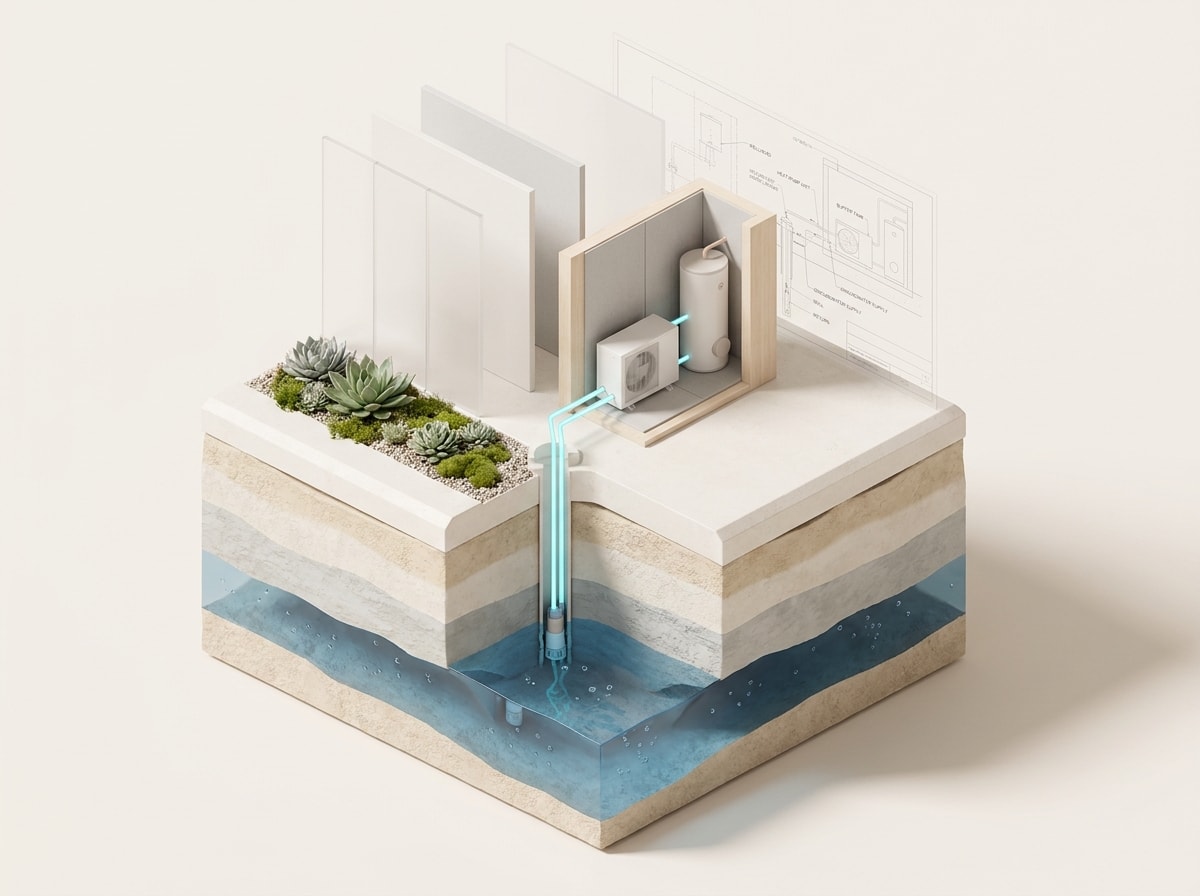
Water-Source Heat Pump
Draws its energy from groundwater, lakes or similar sources. Offers stable, high-efficiency operation.
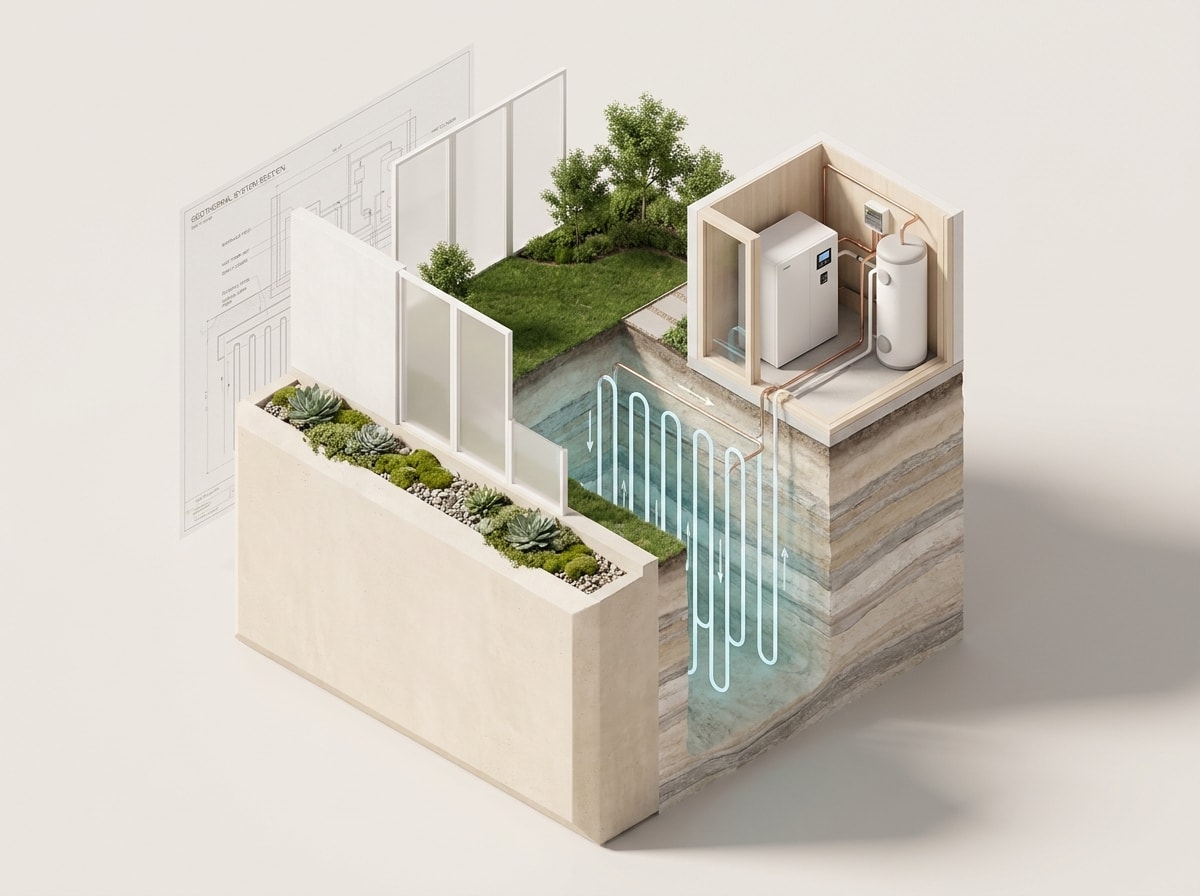
Ground-Source Heat Pump
Taps the steady natural temperature the ground holds year round. High efficiency and a long service life.
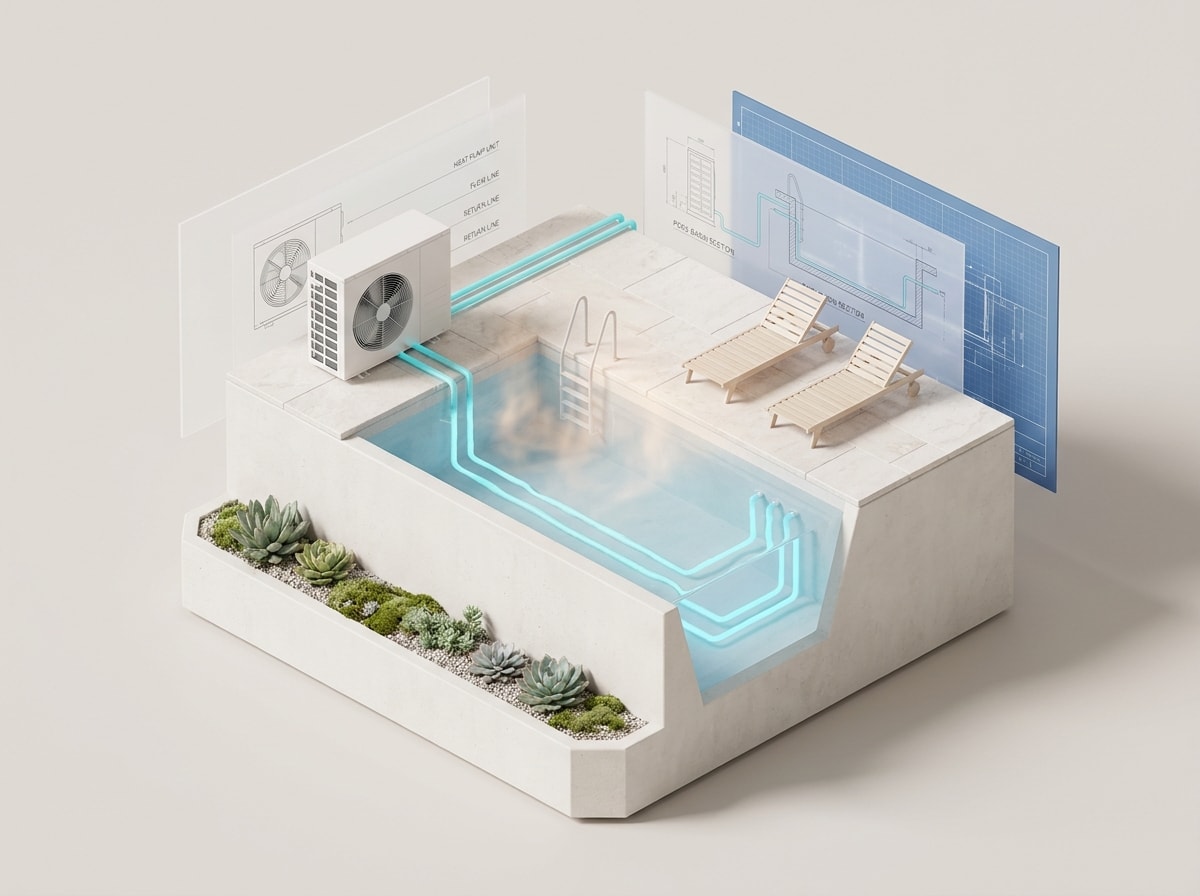
Pool Heat Pump
Built to heat swimming-pool water economically and efficiently. Holds the water at the ideal temperature and stretches the season.
Why a heat pump
- Delivers high energy efficiency.
- Covers heating, cooling and hot water in one system.
- Cuts fossil-fuel consumption.
- Offers low running costs.
- An environmentally friendly solution.
- Long-lived and dependable in daily use.
- Helps reduce carbon emissions.
- Supports the use of renewable energy.
Common questions
Does a heat pump work efficiently in winter?
Yes. Modern air-source heat pumps are built to run at low outdoor temperatures. With the right capacity and a proper design, they heat efficiently all year round.
Will I still need gas?
In most cases, no. A heat pump can cover heating, cooling and domestic hot water on its own. Depending on the region, the climate and the building, the solution can be hybrid or fully electric.
Does it use a lot of electricity?
No. Because a heat pump transfers energy rather than generating it, it can yield more heat energy than the electricity it consumes, which makes it far more efficient than conventional electric heating.
Where can it be used?
Homes, villas, apartment buildings, offices, hotels, hospitals, schools, commercial businesses, industrial facilities and pools.
Can a heat pump produce hot water?
Yes. Alongside heating and cooling it also covers domestic hot water, so one central system replaces several.
What does a pool heat pump do?
It heats pool water economically and under control, extending the swimming season at lower running costs than conventional methods.
Is it an environmentally sound choice?
Yes. By cutting fossil-fuel use it helps bring carbon emissions down, and paired with renewable generation the benefit grows.
What is the advantage of pairing it with PV?
The electricity the heat pump needs can be supplied by your own solar generation. That integration lowers energy costs while strengthening independence and the long-term return on the investment.
Does it work with underfloor heating?
Yes. Heat pumps run at high efficiency with underfloor systems and keep the interior comfortable.
Can it be used with existing radiators?
With the right capacity and flow temperatures, yes. A project-specific survey and analysis is recommended.
Can it be used without PV?
Yes. A heat pump runs independently on grid electricity. PV integration simply adds savings and energy independence.
Ready?
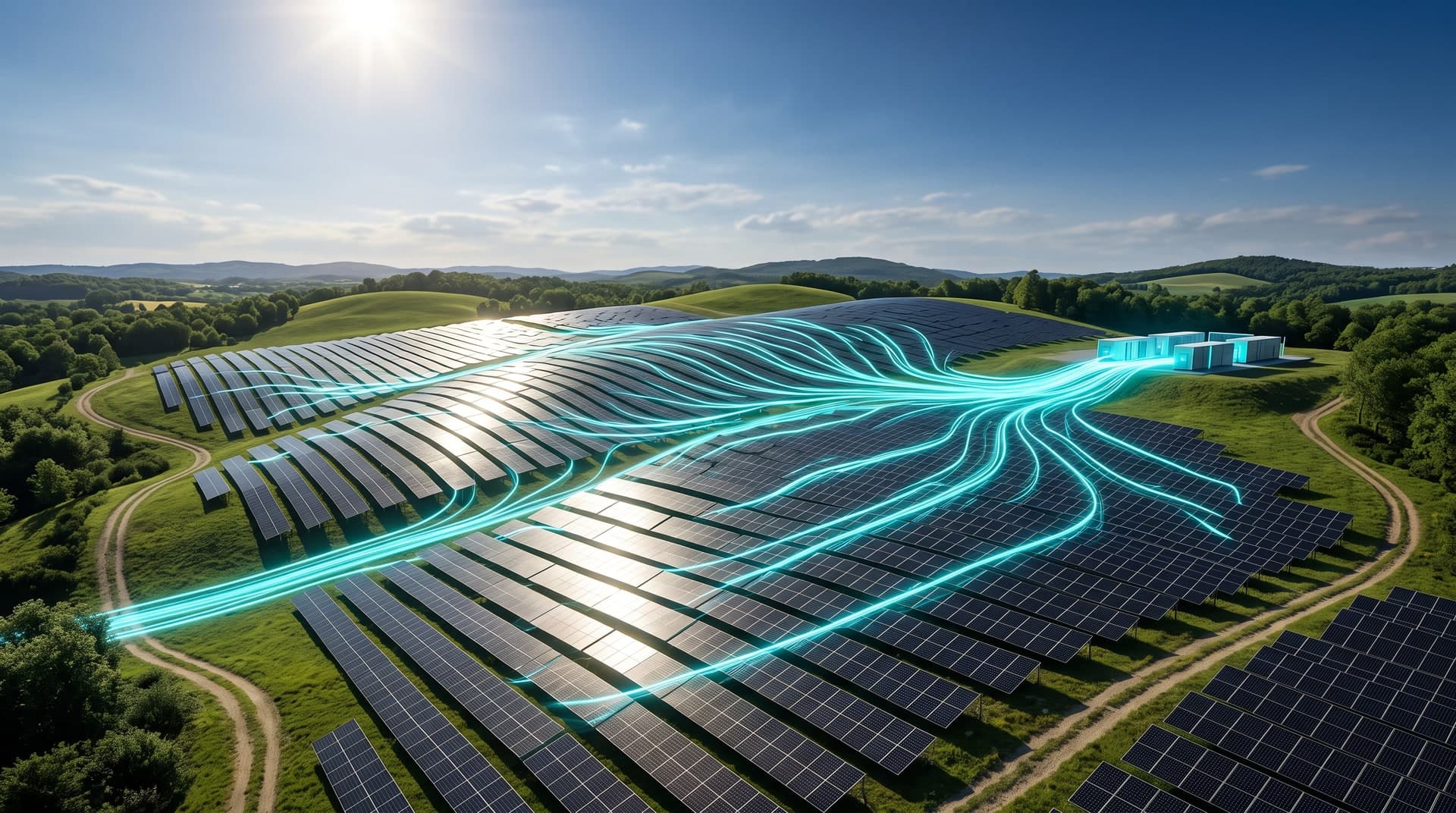
Let's plan the energy transformation that starts on your roof
From solar and storage to EV charging and climate control, let's design the right system for your needs.